Local Tree Care in Hamilton, Ontario
Tree Removal in Hamilton, Ontario
Concerned about a tree on your property? Tell us what is happening and request an estimate.
Local Tree Care in Hamilton, Ontario
Concerned about a tree on your property? Tell us what is happening and request an estimate.
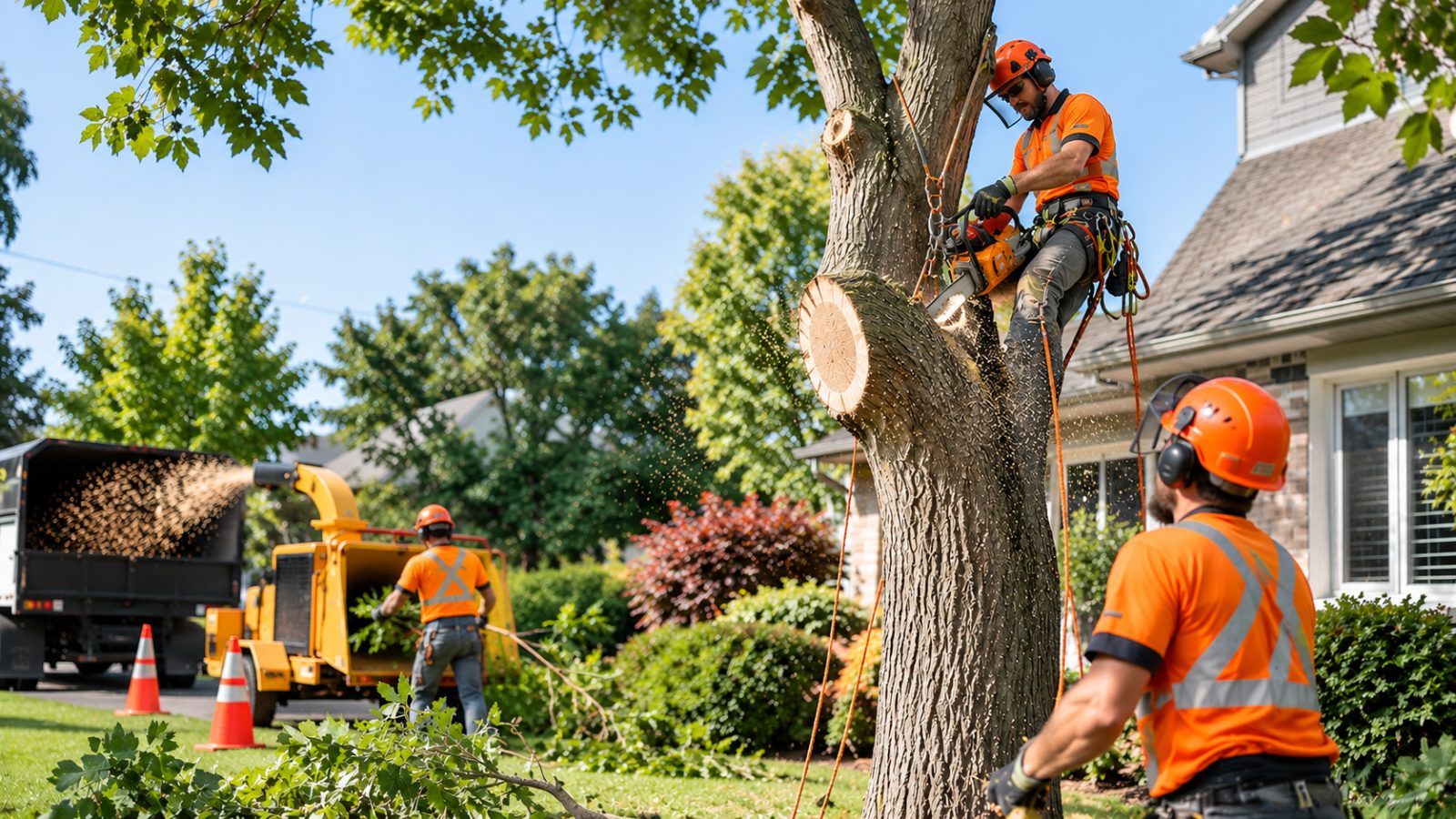
A tree can become a serious concern when it starts leaning toward a home, loses major branches, develops extensive decay, or grows too close to important structures. Tree Removal Hamilton helps property owners understand their options and plan tree removal work around the conditions of their property. Whether the tree stands in an open backyard or a narrow space between buildings, the first step is understanding the tree, the surroundings, and the safest practical approach.
We serve residential and commercial properties across Hamilton and nearby communities. Our services include tree removal, stump removal, tree trimming, tree and deep root fertilization, and insect and disease concerns. We believe good tree care starts with straightforward advice, realistic expectations, and a clear explanation of the work being considered.
Hamilton has a varied landscape, from established residential streets near the lower city to larger properties across the Mountain, Ancaster, Dundas, and surrounding communities. Trees grow in different conditions across these areas, and those differences matter when planning work. A mature maple beside an older home presents different challenges from a damaged tree along a rural driveway.
At Tree Removal Hamilton, we believe property owners deserve to understand why a tree may need attention, what the available options are, and how the surrounding property affects the job. We approach tree care with respect for established landscapes and an understanding that removing a tree is often a significant decision.
More about us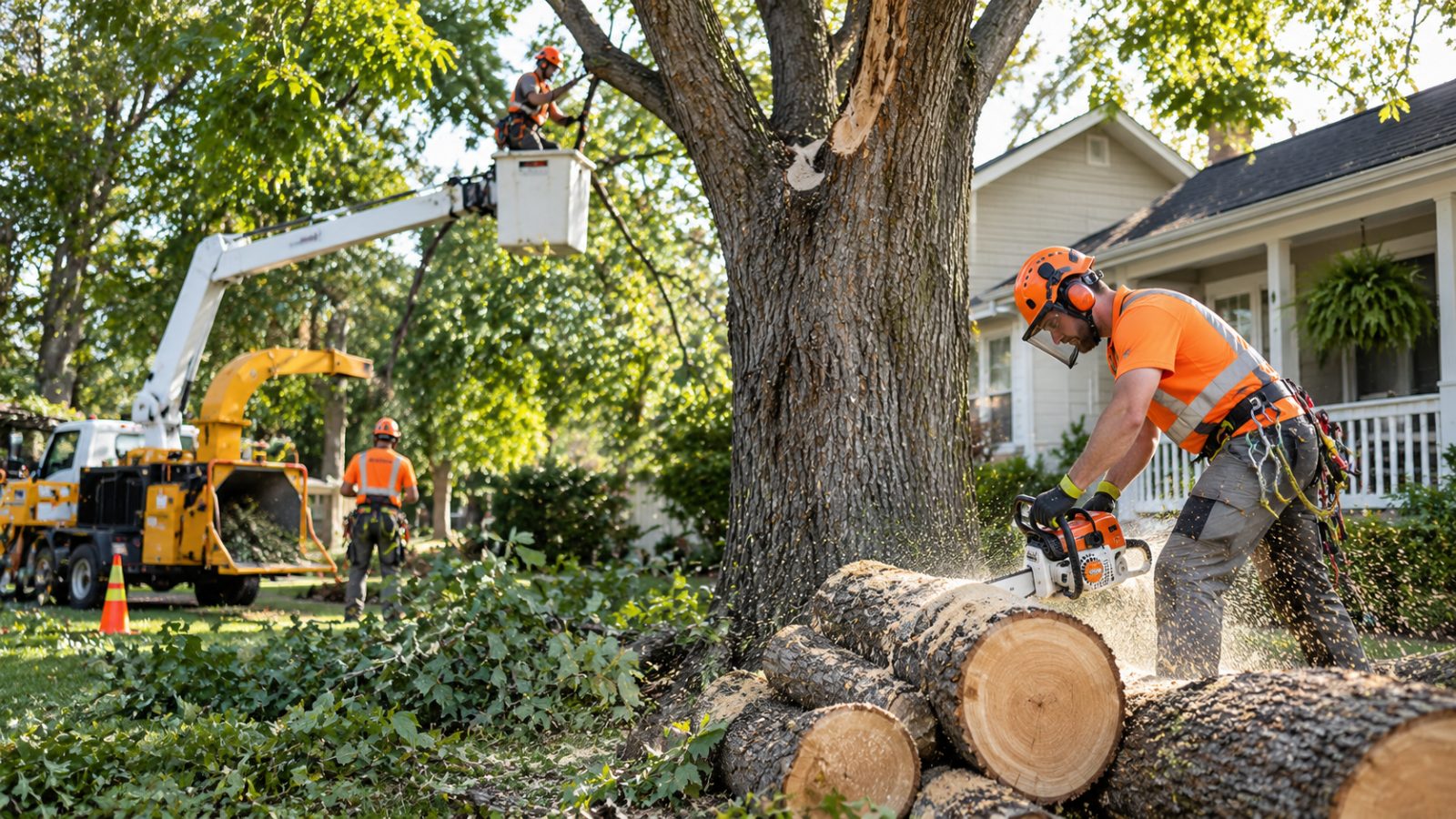
Our services address common tree-related concerns, from removing damaged or unwanted trees to managing overgrowth, leftover stumps, soil conditions, and visible signs of declining tree health.
Carefully planned tree removal for damaged, dead, hazardous, or unwanted trees on Hamilton-area properties.
Learn more →Address unwanted tree stumps that interfere with landscaping, lawn maintenance, and plans for your outdoor space.
Learn more →Tree trimming for overgrown branches, deadwood, clearance concerns, and better long-term tree structure.
Learn more →Explore soil and nutrient care options for trees affected by challenging growing conditions.
Learn more →Explore possible causes of tree decline, including insect activity, disease symptoms, and environmental stress.
Learn more →Tree Removal Hamilton serves Hamilton, Brantford, Grimsby, and Caledonia. Within Hamilton, we work with property owners across the lower city, Hamilton Mountain, Stoney Creek, Dundas, Ancaster, and surrounding neighbourhoods. Each area has its own combination of mature trees, property layouts, soil conditions, and access considerations.
If you are unsure whether your property falls within our service area, contact us with your location and a brief description of the work. We can discuss the next steps and what information is useful before an estimate.
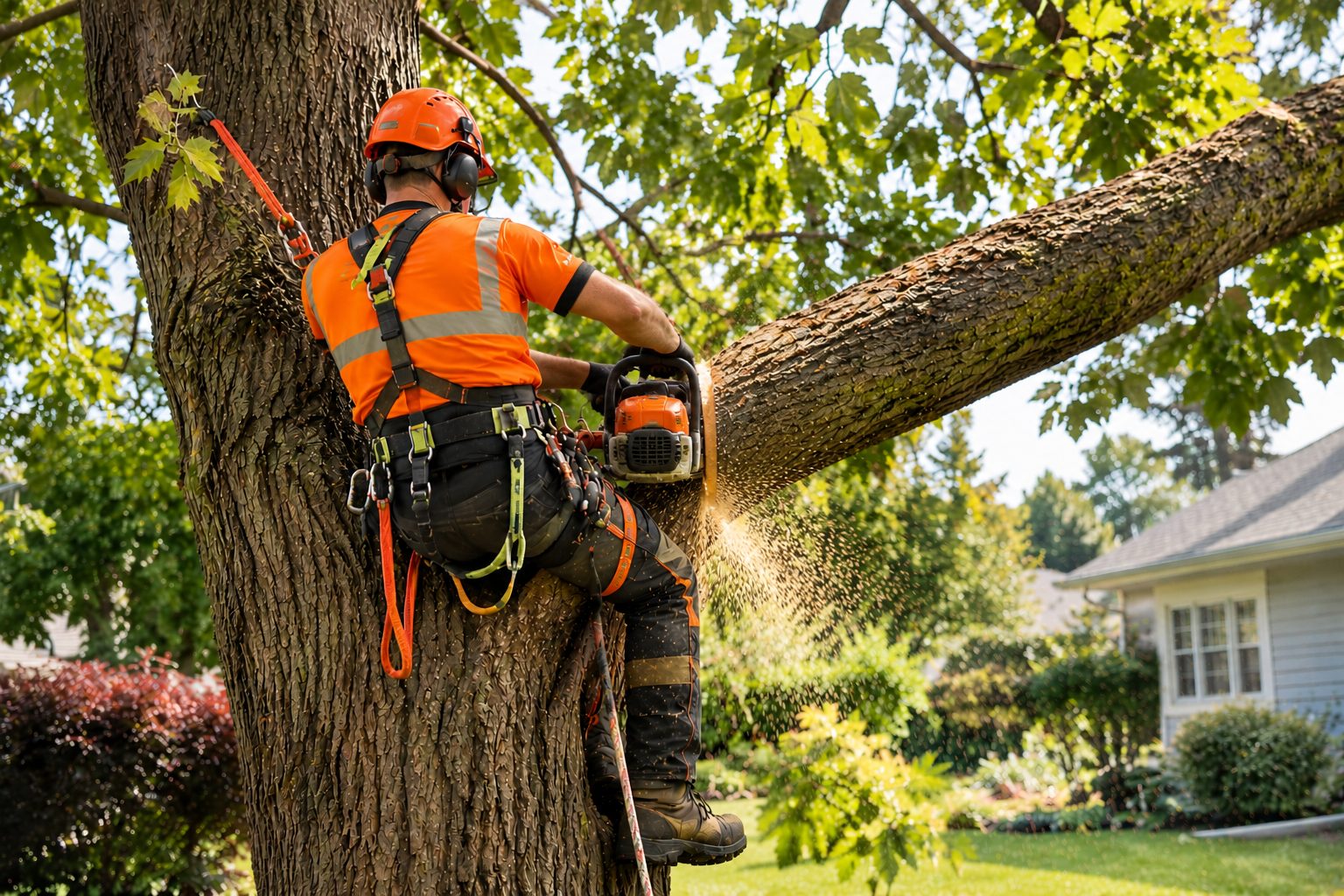
We explain the work being considered and the property conditions that may affect the approach, so you can make an informed decision.
Access, nearby buildings, fences, landscaping, and neighbouring properties all matter when planning tree work.
Not every tree concern requires removal. We consider the nature of the problem and discuss relevant care options.
Hamilton's established neighbourhoods, escarpment landscape, and expanding communities create a wide range of tree care needs.
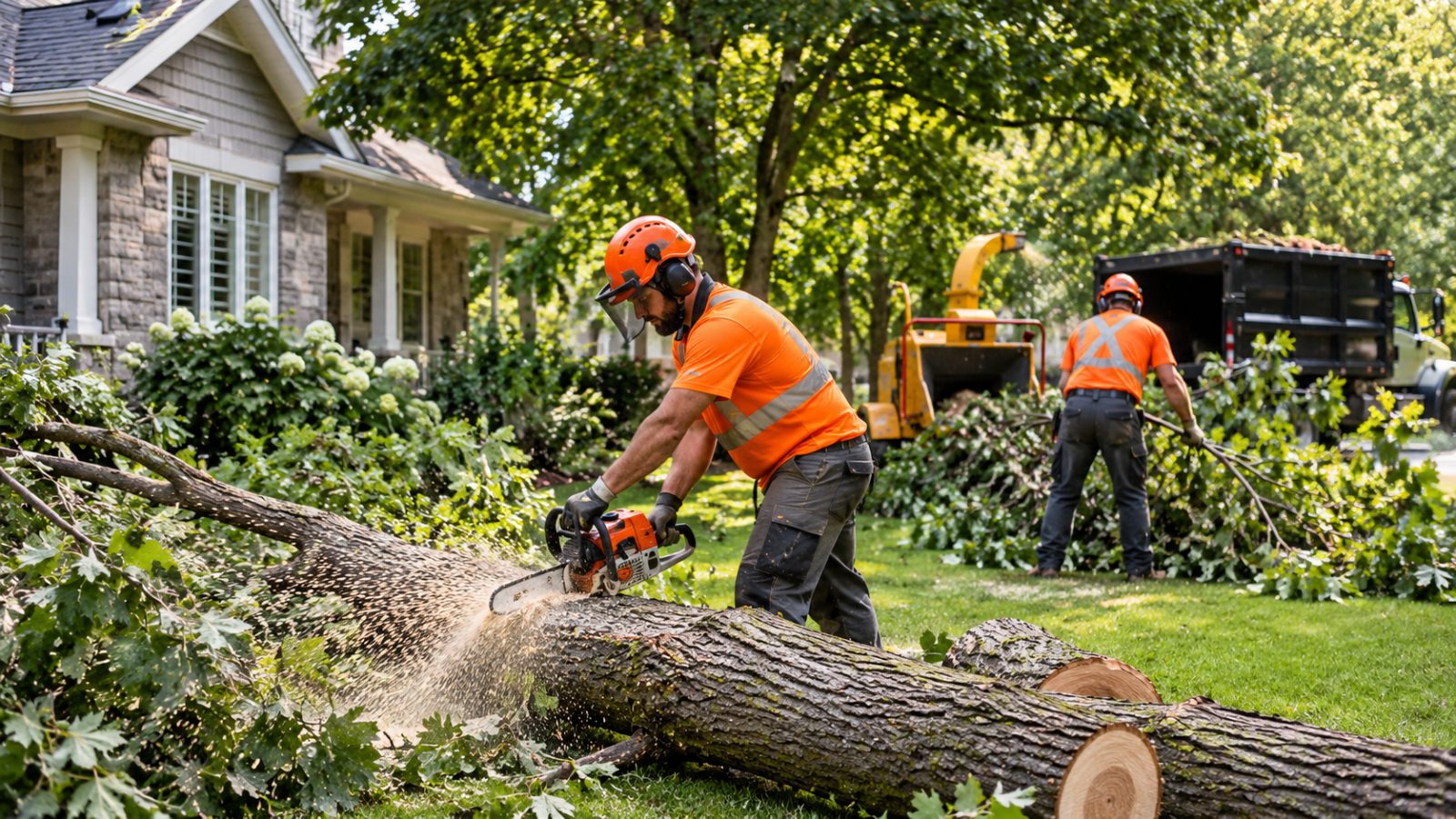
Removing a tree is not simply a matter of cutting through the trunk. Every property has its own layout, obstacles, and practical limitations. Before work begins, the tree and its surroundings need to be considered together. This is especially important in Hamilton, where mature trees often stand close to older houses, garages, fences, driveways, overhead services, and neighbouring properties.
The first consideration is the condition of the tree. A tree with a sound trunk and predictable structure may require a different approach from one affected by decay, storm damage, or broken limbs. Its height, canopy spread, lean, and position all influence how the work can be organized. Trees with structural problems may be less predictable, which makes careful assessment particularly important.
The next consideration is available space. On an open property, there may be room to work around the tree without major obstacles. In a narrow residential backyard, however, the tree may need to be dismantled in smaller sections. Nearby structures, landscaping, garden beds, and access routes can affect equipment choices and the sequence of work.
The plan also needs to address what happens to the material after the tree is cut. Branches, trunk sections, and other debris may need to be moved through a limited access route. The treatment of the remaining stump is a separate consideration, and property owners should clarify whether stump removal is part of the proposed work.
Municipal requirements also deserve attention. Depending on the property's location, tree ownership, and applicable rules, removal may involve permissions or restrictions. Property owners should confirm the current requirements with the relevant municipality before proceeding.
We believe the best starting point is a conversation about the tree and the property. Explain where the tree stands, what concerns you, and whether there are obstacles nearby. Photos can help communicate the situation, although they do not replace an appropriate on-site assessment when one is needed.
Trees can live with minor damage, seasonal changes, and occasional dead branches without needing to be removed. The challenge for property owners is knowing when a visible problem may point to a more serious structural or health concern. Understanding a few common warning signs can help you decide when to seek further advice.
A noticeable change in the tree's lean deserves attention, particularly when the change follows strong winds or heavy rain. Some trees naturally grow at an angle and remain stable for many years. A new lean, however, may be associated with movement around the root system or changes in the tree's support. Raised soil, new cracks in the ground, or exposed roots can add to the concern.
Large dead branches are another reason to investigate. Deadwood can break away, especially during storms or periods of high wind. A tree with extensive crown dieback may also be experiencing problems involving its roots, growing conditions, pests, or disease. The presence of dead branches alone does not establish that the entire tree must come down.
Visible cavities, fungal growth, cracks, and areas of decayed wood can indicate changes within the trunk or major limbs. The significance depends on the location and extent of the problem, as well as the overall structure of the tree. A tree that appears healthy from a distance can still have defects that require closer examination.
Storm damage can create additional complications. Split trunks, hanging limbs, and broken branches caught in the canopy should not be approached casually. Keep people and pets away from the affected area. If a tree or branch is touching electrical equipment or wires, stay clear and contact the appropriate utility or emergency service.
Removal may also be considered when a tree is dead, conflicts with necessary construction, or cannot reasonably be retained in its present location. Before making a decision, it is worth understanding whether trimming, monitoring, or other care could address the concern.
If a tree on your Hamilton property is showing unusual changes, describe what you have noticed and where the tree is located.
Two trees of similar height can require very different amounts of work. The size of a tree is important, but it is only one part of the picture. Property access, structural condition, surrounding obstacles, equipment requirements, and cleanup expectations all influence the scope of a removal project.
Tree height and trunk diameter affect the amount of material involved. A large tree generally contains more branches and wood than a small ornamental tree. Canopy spread matters as well, particularly when branches extend over roofs, sheds, fences, or neighbouring yards. The tree species and wood characteristics can also affect handling and removal methods.
Access is another major factor. Some Hamilton properties have wide driveways and open lawns that provide convenient routes to the work area. Others have narrow side passages, retaining walls, garden structures, or steep changes in elevation. If equipment cannot reach the tree directly, the work may involve more manual handling and smaller sections of material.
The tree's condition can change the plan significantly. Dead or decayed wood may not respond predictably when cut or loaded. Storm-damaged trees can contain unstable limbs or sections under tension. These conditions require careful consideration and may change which techniques are appropriate.
Nearby infrastructure also matters. A tree growing beside a house is different from one standing in an open field. Electrical lines, communication cables, public sidewalks, parked vehicles, and neighbouring buildings can affect how the work is planned. Where utilities are involved, coordination with the appropriate provider may be necessary.
Finally, it is important to establish what the proposed work includes. Cutting down a tree, removing branches and wood, clearing smaller debris, and grinding or removing the stump are not necessarily the same service. Discussing these details in advance helps avoid confusion about the finished condition of the property.
Rather than relying on a general assumption about what tree removal involves, request an estimate based on the actual tree and site conditions. A clear description of the work makes it easier to compare options and decide how to proceed.
Hamilton's geography creates a wide range of growing conditions. The Niagara Escarpment, Lake Ontario shoreline, established urban neighbourhoods, and surrounding rural areas all influence how trees grow and how property owners manage them. A tree care decision that makes sense in one part of the region may not be appropriate somewhere else.
In older lower-city neighbourhoods, large shade trees often share limited space with houses, sidewalks, garages, and underground infrastructure. Mature roots may extend beneath lawns and paved surfaces, while branches can reach across property boundaries. When a tree requires attention, access and the surrounding built environment can become central parts of the planning process.
On Hamilton Mountain, property conditions vary between established residential streets, newer subdivisions, and properties near the escarpment. Some trees grow in compacted soil or limited planting areas. Others face exposure to strong winds or changes in drainage. These factors can affect long-term tree health and may become relevant when a tree begins to decline.
Dundas and Ancaster include neighbourhoods with mature tree cover and properties close to wooded landscapes. Tree work in these settings can involve preserving surrounding vegetation and protecting established gardens. Larger properties may provide more working space, but distance from the road and uneven terrain can create their own access challenges.
Stoney Creek and the lakeshore communities also have varied conditions. Wind exposure, soil moisture, road salt, and local drainage patterns can influence the health of certain trees. A stressed tree may show symptoms that resemble insect or disease damage, so it is important not to assume a single cause based only on discoloured leaves or sparse growth.
Across the region, storms can expose weaknesses that were not obvious during calm weather. Broken limbs, splitting unions, and root movement may require prompt attention, particularly where people or structures could be affected.
Understanding the setting helps make tree care decisions more practical. We encourage Hamilton property owners to consider the tree's history, recent changes, nearby structures, and the wider landscape when discussing removal or other care options.
Hiring someone to remove a tree is an important property decision. The work may take place close to your home, neighbouring buildings, gardens, vehicles, or public spaces. Before agreeing to a project, it is worth asking questions about the proposed approach and what responsibilities are included.
Start by describing the tree and the reason you are considering removal. A useful discussion should address the tree's condition, its location, and the practical challenges of the property. If you are concerned about a new lean, major deadwood, or storm damage, make that clear from the beginning. These details help establish the urgency of the situation and whether additional assessment is needed.
Ask how the company intends to manage the work area. The answer should account for nearby structures, access routes, and potential hazards. If branches extend over a roof or fence, discuss how those obstacles affect the plan. If the tree is close to overhead electrical lines, clarify how the appropriate utility requirements will be handled.
It is also sensible to ask prospective providers about insurance, relevant qualifications, and the experience appropriate to the work. Request current documentation where needed rather than relying on general claims. For a tree with complex structural concerns, a qualified arborist's assessment may help clarify the available options.
Make sure the proposed scope is clear. Find out whether branches and trunk sections will be removed from the property, what cleanup is included, and whether stump work is separate. Ask about access requirements, possible effects on lawns or landscaping, and any preparations you should make before the scheduled work.
Municipal rules are another important consideration. Hamilton and surrounding municipalities may have requirements that depend on tree ownership, location, or other circumstances. Confirming applicable permissions before removal can prevent avoidable problems.
Good communication matters throughout the process. You should be able to ask questions, understand what is being proposed, and know what the next step involves. Tree Removal Hamilton focuses on making those discussions clear and useful, so property owners can make decisions with a better understanding of the work.
Tree removal changes more than the appearance of a property. Once a large tree is gone, the amount of sunlight, wind exposure, and open space around a home can change. Thinking about the area after removal helps you decide whether additional work is needed and how you would like to use the space.
The first consideration is the remaining stump. A stump may be acceptable in an unused part of a large property, but it can interfere with mowing, landscaping, walking routes, or future construction. Stump grinding is one option for reducing the visible stump, although the depth and extent of grinding should be discussed before work begins. Grinding does not automatically remove every root from the surrounding soil.
Roots can remain underground after the trunk has been removed. Their rate of decomposition varies according to species, size, moisture, and soil conditions. If you plan to install a patio, driveway, foundation, or other structure, it is important to understand whether additional excavation or site preparation may be required. The appropriate approach depends on the intended use of the area.
The removal of a mature canopy can also affect nearby plants. Shade-loving gardens may receive much more direct sunlight, while previously sheltered shrubs can become exposed to wind. In some cases, the change creates an opportunity to redesign a garden or improve a lawn. In others, existing plants may need closer attention while they adjust to the new conditions.
Property owners sometimes choose to plant a replacement tree. Species selection should consider mature size, available rooting space, soil drainage, nearby utilities, and the distance from buildings. A small tree planted in the wrong location can create the same conflicts years later. Local growing conditions and any municipal planting requirements should also be considered.
If the original tree was removed because of a suspected pest or disease, it may be useful to understand whether neighbouring trees are vulnerable to the same problem. The appropriate response depends on the cause, and not every decline is infectious.
We encourage customers to think beyond the removal itself and explain their plans for the space. That conversation can help clarify whether stump work, additional tree care, or future planting considerations should be addressed.
A new or increasing lean deserves prompt attention, especially after a storm or when soil appears to be lifting around the roots. Keep clear of the area if the tree appears unstable and arrange an appropriate assessment.
Many confined spaces can be approached with sectional removal methods, but the appropriate technique depends on the tree and surrounding obstacles. Access, nearby buildings, and equipment requirements need to be considered before the work is planned.
Stump work is often treated as a separate part of a project. Ask for the proposed scope to identify whether the stump will remain, be ground down, or require another approach.
Not necessarily. A limited amount of deadwood may be addressed through trimming, while widespread dieback or structural problems may require further investigation. The decision should reflect the condition of the whole tree.
Provide the property's location, an approximate description of the tree, and the reason you are considering removal. Mention nearby structures, access restrictions, and any recent storm damage so the next steps can be discussed.
Tell us about the tree, where it stands, and what concerns you. Request an estimate for your Hamilton-area property.
Get a Free EstimateCall (647) 982-8710
Free — no obligations