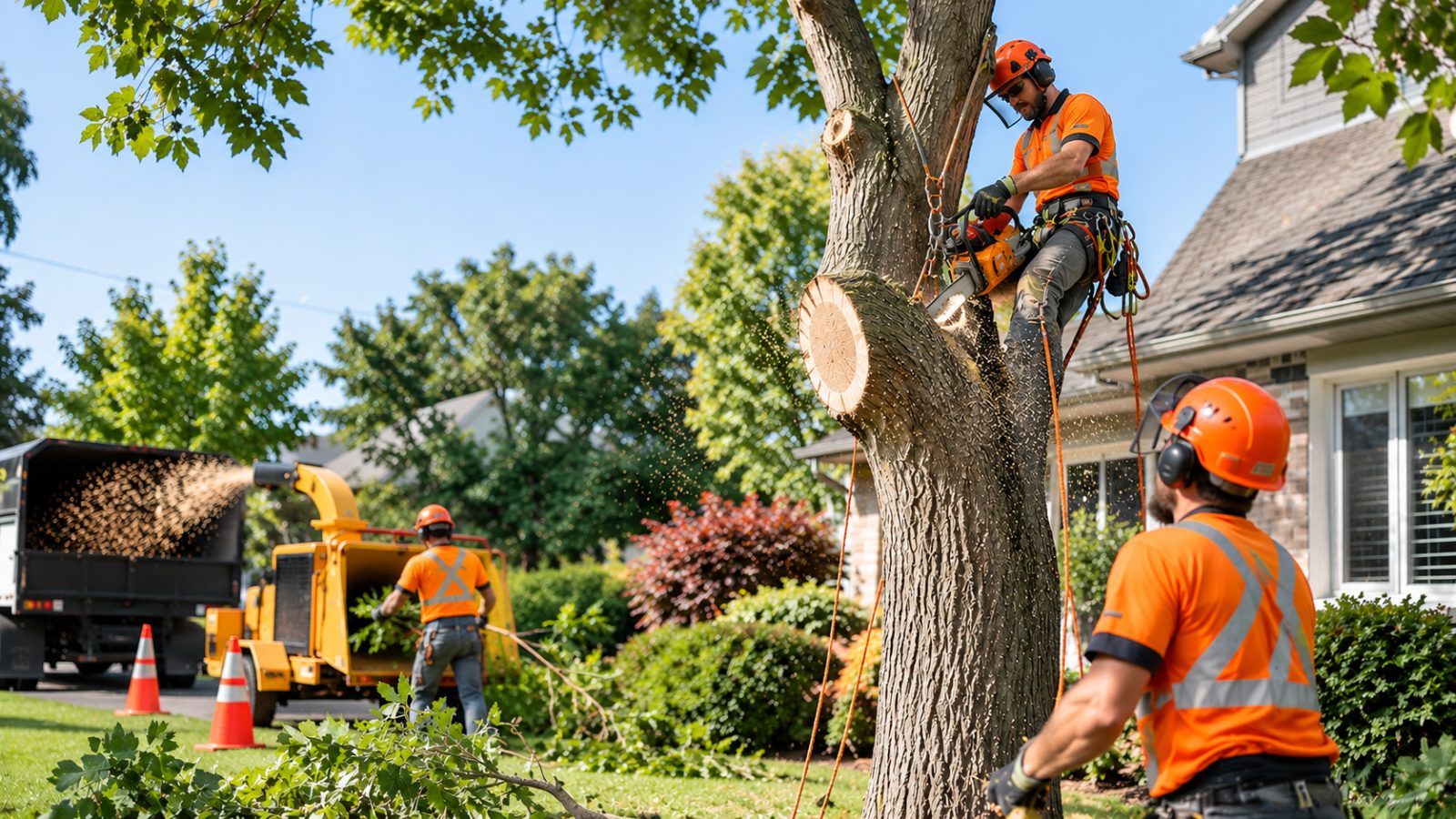
Tree Trimming in Hamilton
Tree Trimming in Hamilton, Ontario
Have branches that need attention? Contact us to discuss your tree trimming needs.
Tree Trimming in Hamilton
Have branches that need attention? Contact us to discuss your tree trimming needs.
Trees are an important part of many Hamilton properties, but branches can eventually interfere with roofs, walkways, driveways, and nearby structures. Dead or damaged limbs may also create concerns, particularly after storms. Appropriate trimming can address specific problems while preserving as much healthy tree structure as practical.
Tree Removal Hamilton discusses trimming needs based on the tree species, condition, growth pattern, and surrounding property. We believe pruning should have a clear purpose rather than simply removing large amounts of growth.
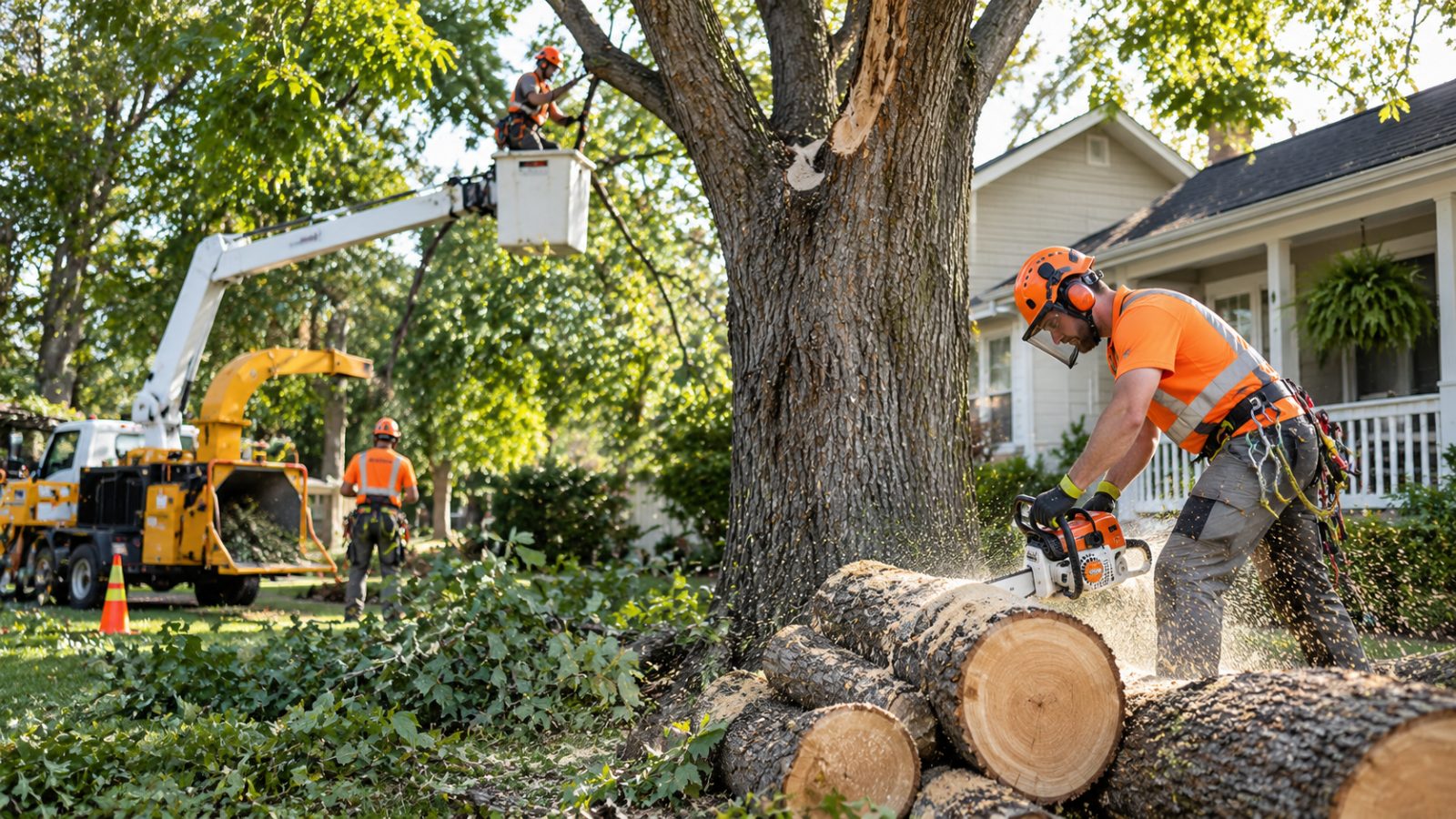
The appropriate trimming method depends on the tree and the reason for the work. Removing dead branches is different from reducing interference with a building or addressing a structural concern.
Dead branches may break during strong winds or storms. Removing suitable deadwood can help address specific hazards, although extensive branch dieback may indicate a broader health concern requiring investigation.
Branches may need attention where they interfere with roofs, walkways, driveways, or other structures. The goal is to provide appropriate clearance without unnecessarily damaging the tree's natural form.
Some trees develop competing stems, crowded branches, or weak branch arrangements. Appropriate pruning can support better structure, particularly when problems are identified while the tree is relatively young.
Selective pruning may help manage damaged, crossing, or poorly positioned branches. Excessive canopy removal can stress trees, so the amount of trimming should reflect the species and condition.
Broken or hanging branches may require attention after severe weather. Branches under tension or caught high in a canopy should be treated as potential hazards rather than handled without appropriate equipment.
We focus on understanding the reason branches need attention before discussing the work.
Trimming decisions should account for the tree's natural growth pattern and long-term condition.
Nearby roofs, fences, walkways, and gardens are considered when planning branch work.
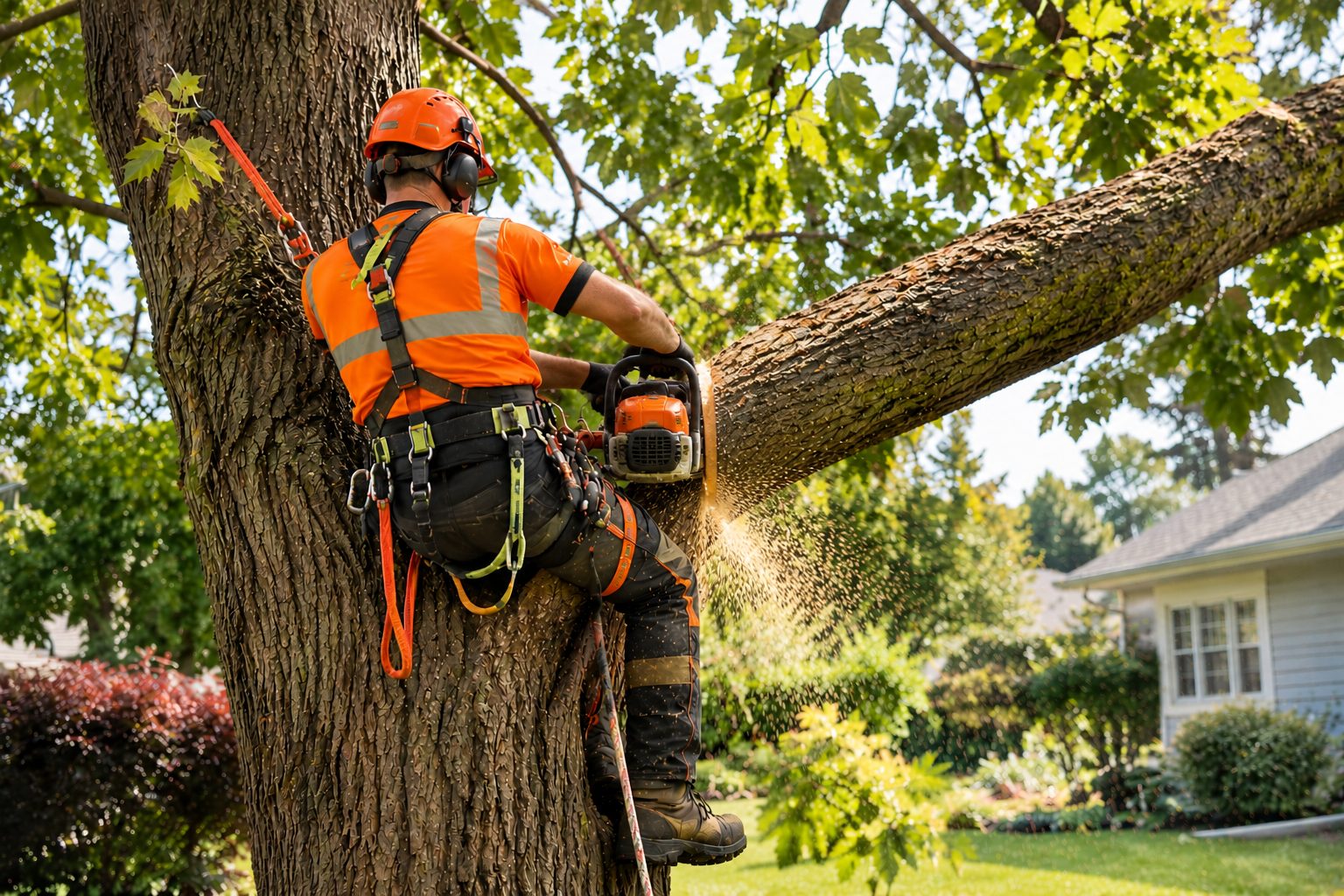
Describe the branches you are concerned about and the outcome you want from trimming.
Get a Free EstimateCall (647) 982-8710
Free — no obligations
Describe the branches causing problems and what you would like to improve.
Review the tree's health, structure, species, and the purpose of trimming.
Clarify which branches require attention and how the proposed work may affect the tree.
Plan the trimming around access, weather, tree condition, and relevant site requirements.
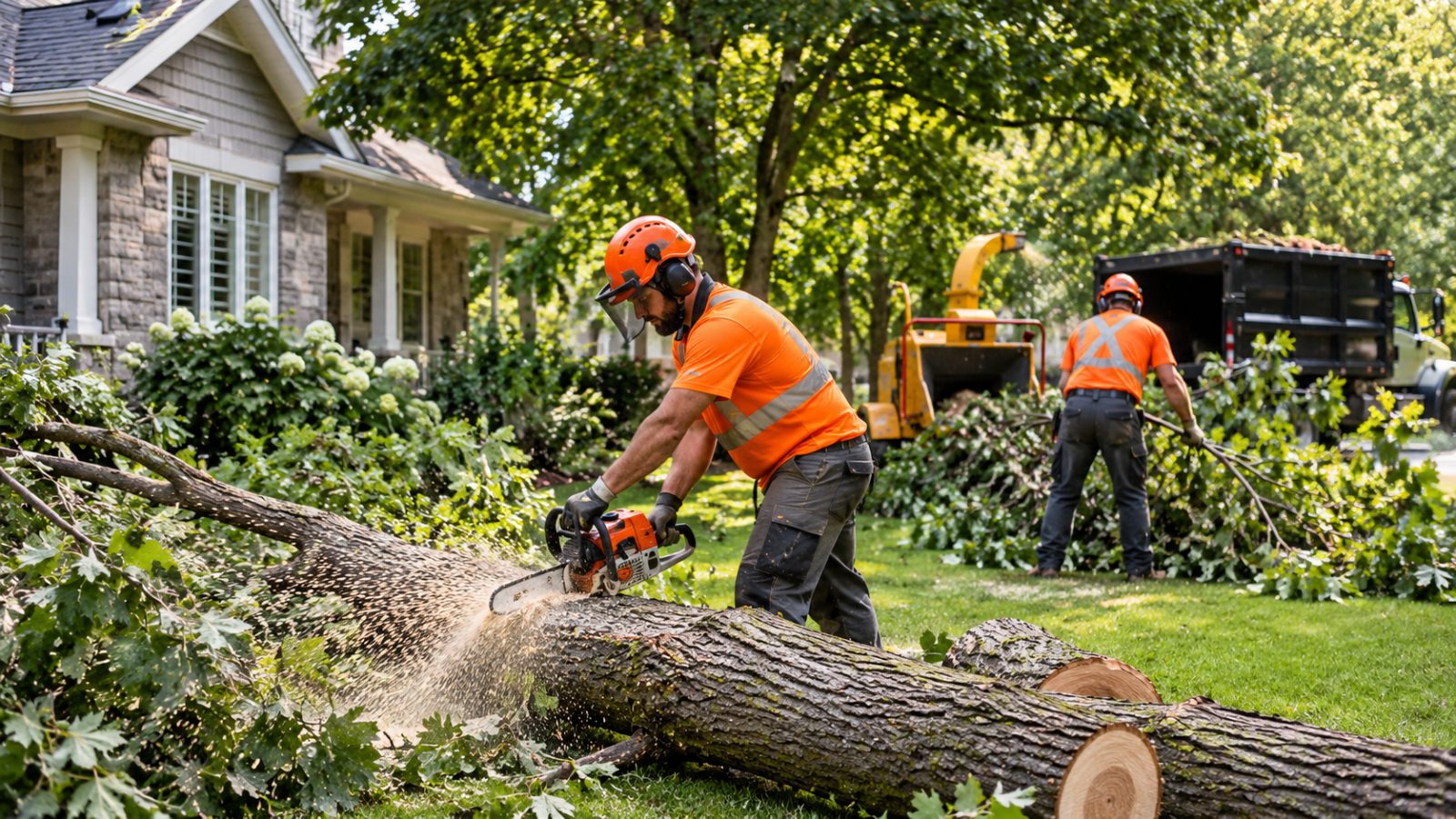
The appropriate timing depends on the species, the purpose of pruning, and any pest or disease concerns. Some work is suited to dormant periods, while hazardous broken branches may need attention sooner.
Trimming can influence growth and structure, but it does not permanently stop a healthy tree from growing. Severe topping can cause long-term problems and should not be treated as routine maintenance.
Branches near a roof can often be assessed for appropriate clearance pruning. The method depends on branch size, tree condition, and the amount of clearance required.
There is no single appropriate amount for every tree. The species, age, health, and pruning objectives should guide the decision, with unnecessary removal of healthy foliage avoided.